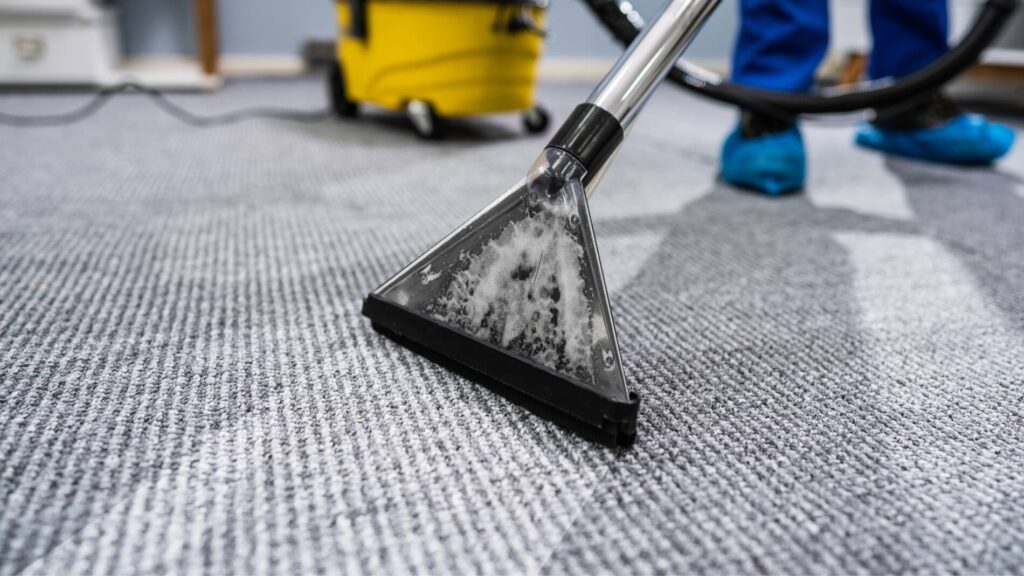
Protecting Your Investment Starts with Proper Care
Flooring is one of the most visible and valuable assets in any facility - and one of the most expensive to replace. Yet for many organizations, the flooring budget stops at installation. When maintenance isn’t part of the plan, even the highest-quality materials will deteriorate faster, creating safety risks, shortening product lifespan, and increasing long-term costs.
A structured flooring maintenance program helps protect your investment, preserve performance, and ensure compliance. It extends the life of your flooring warranty by removing soils and particulates that cause premature wear, and it enhances your brand by maintaining cleaner, healthier environments for employees, visitors, and customers alike.
Well-maintained floors reflect the same attention to detail that drives a company’s reputation and culture - conveying professionalism, care, and long-term value.
This guide outlines what a comprehensive flooring maintenance program should include and how to approach building one that’s right for your facility.
1. What a Flooring Maintenance Program Really Means
A true flooring maintenance program is more than a cleaning schedule - it’s a structured, proactive plan designed to preserve surface performance over time.
An effective program typically includes:
- Daily, interim, and periodic care, each tailored to the flooring material and level of use.
- Coordination with manufacturer recommendations to maintain warranty coverage.
- Surface protection and performance monitoring to catch issues before they become costly.
- Specialized training and certified technicians who use the right chemistries, equipment, and techniques for each surface.
Unlike general janitorial services, which focus on appearance, specialty surface care focuses on preserving the product’s integrity and extending its life. The APEX Group, Diverzify’s national surface care brand, provides this specialized expertise through highly trained technicians who understand material science and manufacturer standards - ensuring every service protects both performance and warranty value.
2. Key Considerations When Developing a Program
- Material Type – Different flooring types require distinct maintenance methods. Carpet, LVT, hardwood, stone, terrazzo, epoxy, and access flooring each have their own sensitivities and care cycles.
- Traffic Patterns & Usage – Entryways, corridors, and high-traffic zones experience far more wear than private offices or conference rooms.
- Environment – Local climate, humidity, and airborne particulates affect flooring performance and cleaning needs.
- Manufacturer Requirements – Following manufacturer guidelines is critical for preserving warranties.
- Budget & Staffing – Align expectations with available resources and determine which services are best handled internally versus by a specialty contractor.
- Sustainability Goals – Ensure cleaning products and methods align with ESG commitments and environmental standards.
- Specifications, Scope, and Service Level Agreements (SLAs) – Clearly define the expectations, service frequencies, and accountability measures. Many programs fail simply because these weren’t established up front.
Flooring types that require specialized care:
- Stone and terrazzo – Need specific polishing, sealing, and slip resistance treatments.
- Wood – Sensitive to moisture and requires pH-balanced cleaning solutions.
- Epoxy and resinous floors – Must be cleaned with non-abrasive, chemical-safe processes.
- Access flooring – Needs specialized maintenance to preserve airflow and system integrity.
Connect with a specialist to build a program that keeps your floors — and your facility — performing at their best.
3. What a Strong Maintenance Program Includes
An effective flooring maintenance program typically integrates several layers of care:
- Surface Protection Strategies – Entry matting, protective coatings and finishes, and furniture glides or casters to prevent abrasion.
- Routine Cleaning – Vacuuming, dust mopping, and spot cleaning to remove soils before they bond to the surface.
- Interim Care – Low-moisture carpet cleaning, scrubbing, and recoating to maintain performance between deep cleans.
- Periodic Deep Care – Restorative cleaning, refinishing, and polishing that return the floor to “like new” condition.
- Inspections & Adjustments – Regular evaluations to monitor wear, adjust frequency, and fine-tune cleaning methods.
The best programs combine daily custodial cleaning with periodic specialty surface care. While janitorial teams maintain daily appearance, specialized cleaning professionals handle the deep and technical processes that preserve the floor’s function and warranty.
Specialized vs. General Cleaning
Most general cleaning services lack the advanced equipment, materials, and training required to properly maintain today’s complex flooring systems. Specialty surface care technicians - like those within the Diverzify and APEX network - use manufacturer-approved products and methods to ensure lasting results and compliance.
Industry Example Callout:
- Healthcare: Requires seamless, hygienic floors that support infection control and strict sanitization standards.
- Education: High-traffic corridors and classrooms need durable coatings and routine restoration to manage heavy wear.
- Corporate and Retail: Flooring reflects brand image - consistent care preserves both appearance and first impressions.
4. The ROI of Proactive Maintenance
Preventive maintenance isn’t just an operational decision - it’s a financial one.
A properly maintained flooring system:
- Extends product life by years, delaying costly replacements.
- Reduces liability and risk by preventing trip hazards and ensuring ADA compliance.
- Preserves brand image with consistently clean, safe spaces.
- Minimizes disruption by avoiding emergency repairs or downtime.
- Supports ESG and sustainability goals through optimized material use and reduced waste.
In short, proactive maintenance protects both your budget and your brand.
5. Overcoming Common Challenges
Even well-intentioned programs fail without the right planning and partnerships. Common challenges include:
- Post-installation neglect – Maintenance is an afterthought once flooring is in place.
- Facilities team bandwidth – Internal staff often lack time, training, or tools for proper care.
- Unclear scope or SLAs – Vague agreements lead to inconsistent results.
- Lack of coordination – Custodial teams and specialty contractors working independently instead of collaboratively.
- Unrealistic budgets – “Free” cleaning bundled into general custodial contracts rarely meets the requirements for specialty flooring systems.
- Poorly constructed RFPs or pricing templates – Without clear standards, it’s impossible to evaluate service quality across bidders.
How Diverzify Helps
Through the APEX Group, Diverzify acts as an extension of your facilities team - providing certified expertise, clearly defined service scopes, and national-scale resources. With specialized programs built for every flooring type and environment, we help you avoid costly rework and keep your surfaces performing as intended.
Download the Flooring Maintenance Program Guide
Your floors are too valuable to leave to chance. A structured maintenance program protects that investment, extends its lifecycle, and ensures your spaces always look and perform their best.
Whether you manage a single property or a national portfolio, the APEX Group, Diverzify’s national surface-care brand, can help you design and implement a program that safeguards your brand, your budget, and your building.
To get started, download the following guide by completing the form below — and gain practical steps, checklists, and expert insights to help you build a proactive flooring maintenance plan tailored to your facility.