Flooring That Never Sleeps in 24/7 Hospitality Environments
In hospitality, the guest experience begins the moment someone walks through the door. The lobby floor they step onto, the corridor they walk down to their room, the restaurant they dine in - these surfaces shape the first impression of the entire property.
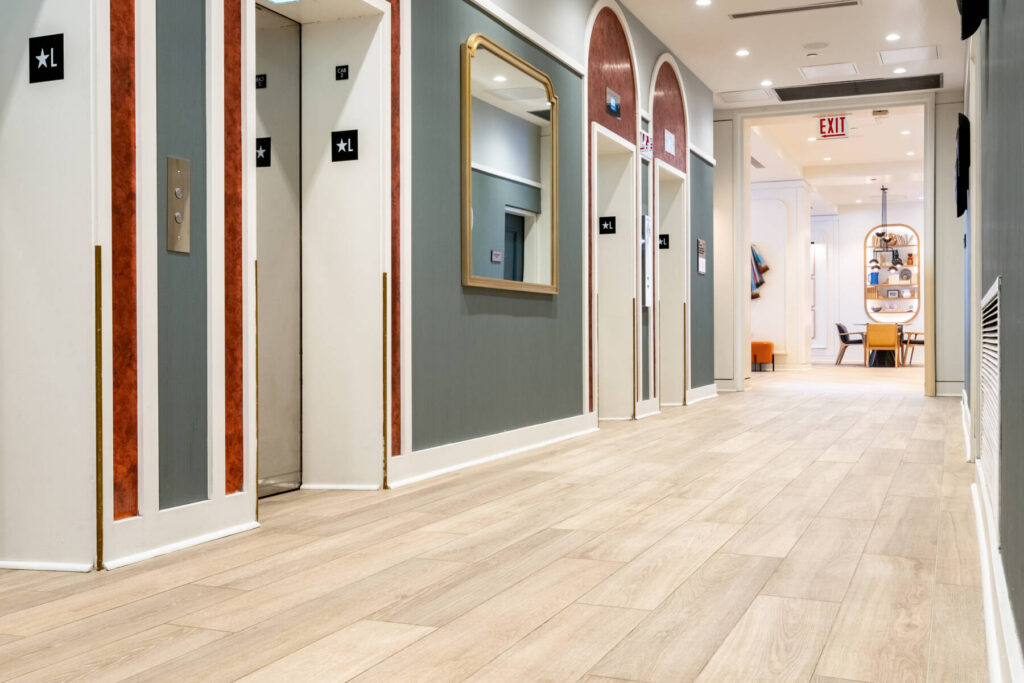
Research shows that guests form up to 75% of their first impression of a property within the first 15 minutes of arrival.
In many cases, guests may not consciously notice flooring, but they do notice when something feels worn, uneven, or unclean. These subtle signals can influence perceptions of cleanliness and quality, which increasingly show up in guest reviews and brand reputation scores.
For owners and operators, the challenge is clear: how do you maintain and upgrade high-traffic flooring while protecting guest experience and keeping operations running smoothly?
The answer lies in flooring strategies designed specifically for hospitality environments that never truly stop moving.
Designing Hospitality Flooring for 24/7 Performance AND Durability
Unlike many commercial environments, hospitality spaces operate around the clock. Lobbies, corridors, restaurants, and meeting areas see continuous activity throughout the day and night.
Flooring in these areas must balance design intent with long-term performance. Materials need to maintain a polished appearance while standing up to heavy traffic, frequent cleaning, and the operational realities of an active property.
Strategic product selection plays a critical role in achieving this balance. Durable materials with strong wear performance help maintain visual consistency over time, while modular flooring systems can allow for targeted repairs or replacements without requiring large-scale renovations.
Because every hospitality environment operates differently, selecting the right flooring solution requires more than choosing a single product category.
- Traffic patterns
- Maintenance routines
- Moisture exposure
- Cleaning methods
- Design goals
All of these factors influence which materials will perform best over time.
Slip resistance is another critical, and often overlooked, factor in hospitality flooring. Entrances, pool areas, and food & beverage spaces are particularly vulnerable to moisture, and flooring selection can directly impact guest safety and liability risk. Proper material selection, combined with entry matting systems, plays a key role in reducing incidents.
Diverzify’s materials specialists work with hospitality teams to evaluate these variables and identify flooring solutions that align with both operational needs and design priorities. Because Diverzify works with a wide range of leading flooring manufacturers, the team can provide unbiased guidance on the pros and cons of different flooring types and recommend high-performing materials best suited for each space.
For hospitality operators, flooring design becomes part of a broader operational strategy - one that supports brand standards, guest experience, and long-term property performance.
Installing Flooring in Occupied Spaces
Installing flooring in a hospitality environment is rarely a standalone construction project. In most cases, the property remains fully operational while work is taking place. Moreover, installation planning is an opportunity to protect revenue. Taking rooms or key amenities offline, even temporarily, can impact occupancy rates and guest satisfaction scores. Well-planned phasing strategies allow properties to maintain revenue flow while improvements are underway.
Successful installation planning starts with understanding how the property actually functions.
- Housekeeping schedules
- Event calendars
- Peak guest movement periods
All of these factors influence when work can occur.
The most successful hospitality projects are those where installation teams operate as an extension of the property’s operations team, adjusting sequencing and logistics as conditions change.
This often leads to phased installation strategies. Instead of closing entire floors or public areas, smaller sections are completed at a time so elevators, guest rooms, and service corridors remain accessible. Work windows may shift between overnight hours and daytime periods depending on occupancy levels and property activity.
In many hospitality projects, flooring is also part of a broader renovation effort. Coordinating with other trades becomes critical to avoid schedule conflicts, prevent rework, and keep spaces functional while improvements are underway. Experienced teams work closely with general contractors and property leadership to sequence these activities so that each trade can complete their work efficiently without creating unnecessary disruption.
Diverzify’s national network of flooring specialists allows teams to scale labor based on project demands, supporting overnight work, accelerated schedules, and phased installations without compromising quality. This flexibility is especially critical in hospitality environments, where timing and minimizing disruption are essential. The result is a space that continues to evolve while the hotel remains fully operational.
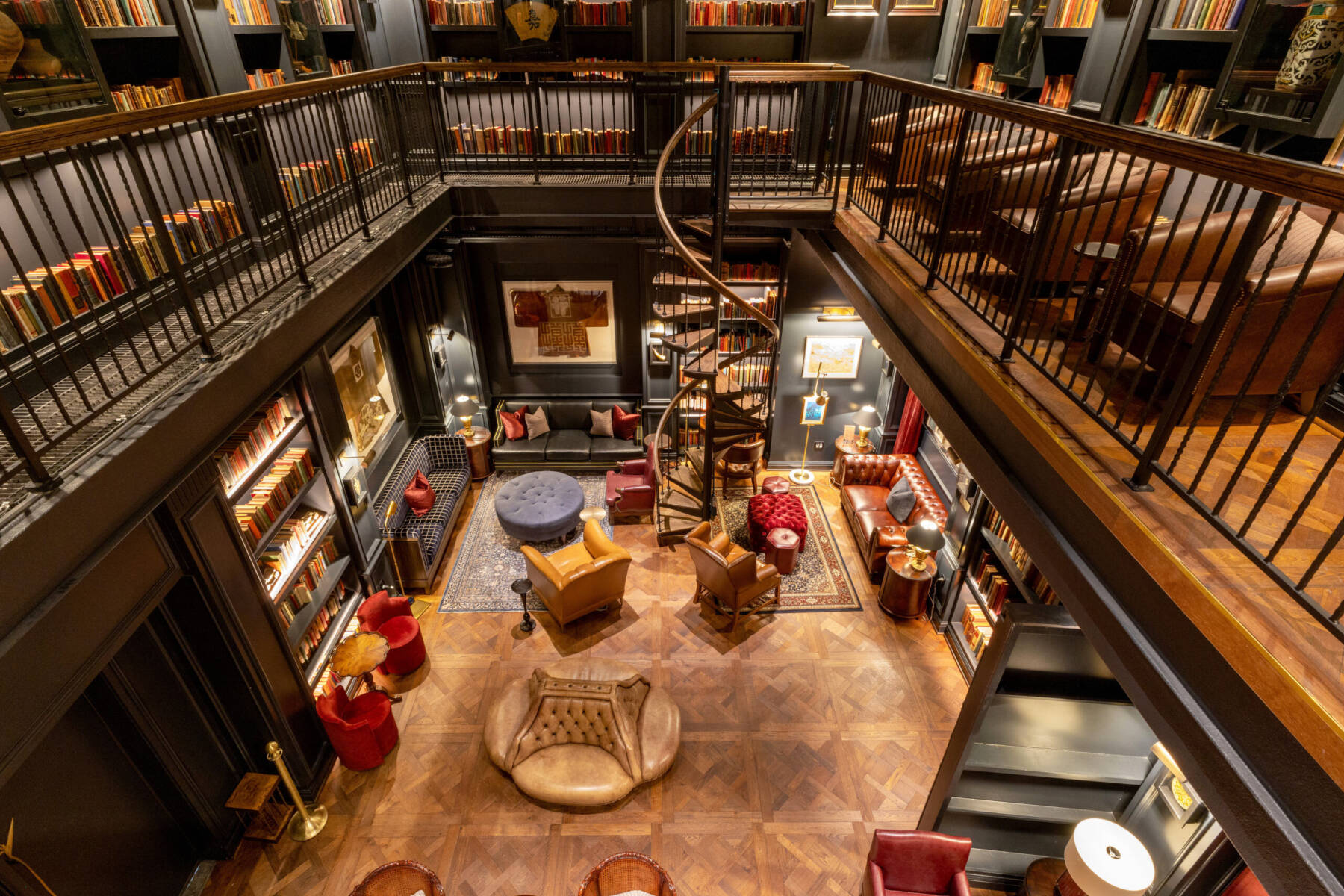
Check out recent projects from across the Diverzify Network — from casinos, hotels, and more!
Managing Noise, Dust, and Odor During Flooring Projects
Guest comfort is one of the most sensitive aspects of any hospitality renovation. Even minor disturbances can affect the perception of a stay, making environmental control a critical part of any flooring project in an occupied hotel.
Hospitality flooring work requires careful management of noise, dust, and odors. To reduce the impact of construction activity on nearby guest spaces, experienced teams implement a combination of technical controls and operational strategies, including:
- Negative air containment systems to prevent dust migration beyond active work zones
- Sealed work areas using temporary barriers and floor-to-ceiling protection to isolate corridors or sections under construction
- HEPA-filtered vacuums and dust extraction equipment to capture airborne particulates at the source
- Low-VOC, fast-curing adhesives and materials to minimize odors and allow spaces to be returned to service more quickly
- Sound-dampening methods and equipment selection to reduce noise transmission into adjacent guest areas
In addition to these controls, installation teams carefully plan logistics to limit exposure. Materials may be pre-staged and pre-cut where possible to reduce on-site disruption, and high-noise activities such as demolition or floor prep are scheduled during low-occupancy periods or coordinated around the property’s quiet hours.
Strict cleanup protocols are also essential. At the end of each shift, work areas are cleaned, pathways are cleared, and adjacent spaces are restored to a guest-ready condition.
When these technical and operational strategies are executed together, flooring projects can be completed within active hospitality environments with minimal disruption. Guests experience a clean, quiet, and consistent environment, even as improvements are taking place behind the scenes.
Maintaining Flooring in High-Traffic Hospitality Environments
Flooring performance does not end after installation. In hospitality environments, where surfaces are exposed to constant traffic and frequent cleaning, long-term performance depends on disciplined, well-planned maintenance.
Effective hospitality flooring maintenance goes beyond routine cleaning. It requires a structured approach that includes:
- Scheduled inspections to identify early signs of wear, seam failure, moisture intrusion, or surface damage
- Preventive maintenance programs tailored to specific flooring types, traffic levels, and cleaning methods
- Targeted repairs and replacements in high-use areas such as corridors, elevator lobbies, and F&B spaces
- Deep cleaning and restorative services to maintain appearance and extend material lifespan
Rather than reacting to visible issues, leading hospitality operators take a proactive approach. Addressing small issues early helps avoid larger disruptions, reduces the need for full-area replacement, and keeps guest-facing spaces consistently aligned with brand standards.
Thanks to its go-to surface care experts, The APEX Group, Diverzify supports this approach through a dedicated maintenance division focused specifically on ongoing floor care and lifecycle management. These teams work with hospitality clients to develop maintenance programs aligned with operational schedules, ensuring work can be performed with minimal disruption to guests and daily operations.
Because APEX maintains and services flooring across a wide range of materials and manufacturers, the team can recommend the appropriate cleaning methods, repair strategies, and replacement timing for each environment. This ensures that flooring systems continue to perform as intended long after installation is complete.
By treating maintenance as an extension of the original flooring strategy, hospitality teams can protect their investment, maintain a consistent guest experience, and reduce the risk of unexpected repairs or premature replacement.