
Safer Spaces Start from the Ground Up
Every facility carries its own set of risks, but one of the most common - and costly - is the slip and fall incident. These accidents don’t just affect people; they affect productivity, brand reputation, and a company’s bottom line. In commercial environments where employees, clients, and the public move through shared spaces daily, the right flooring strategy can significantly reduce those risks.
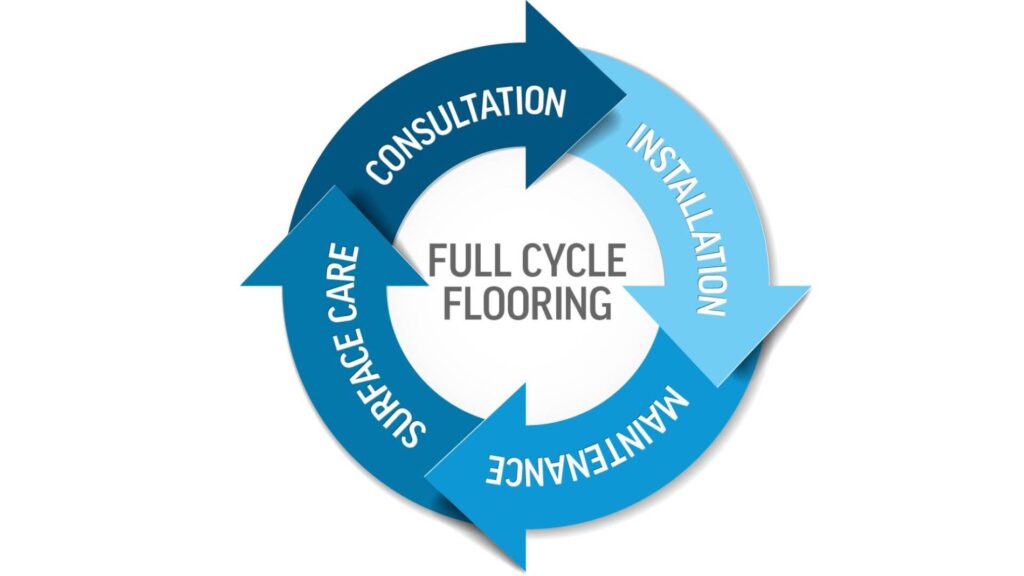
At Diverzify, safety isn’t just an outcome - it’s part of the flooring system’s lifecycle. From initial product selection to ongoing maintenance, we help organizations design, install, and maintain safer environments that protect people and minimize liability.
Understanding Slip Resistance and Surface Coatings
Slip resistance is the foundation of safe flooring. Every surface has a coefficient of friction (COF) - a numerical measure of how much traction it provides underfoot. OSHA and ANSI standards recommend specific minimum COF levels for various commercial environments (e.g., 0.42 or higher for level surfaces).
But real-world conditions (moisture, contaminants, cleaning methods, and wear) can quickly change how a floor performs.
Key safety factors include:
- Material selection: Textured, matte, or slip-resistant finishes provide more traction than smooth or glossy surfaces.
- Surface coatings and treatments: Specialized sealers, anti-slip additives, and finishes can increase traction without compromising aesthetics.
- Maintenance compatibility: Cleaning agents and polishing methods can either improve or reduce slip resistance depending on how they interact with coatings and materials.
A well-intentioned cleaning routine can actually make floors more slippery if the wrong chemistry or technique is used. That’s why Diverzify’s maintenance experts evaluate every surface system holistically - matching finishes and cleaning programs to maintain slip resistance over time.
Identifying High-Risk Zones
Every facility has areas where slip and fall incidents are more likely to occur. These zones can vary depending on layout, traffic patterns, and operations.
Common high-risk areas include:
- Entrances and lobbies – where outdoor moisture and debris are tracked inside
- Restrooms and locker rooms – where constant exposure to water or cleaning chemicals reduces traction
- Cafeterias and break areas – where spills or grease can linger unnoticed
- Loading docks, kitchens, and maintenance corridors – where operational residues like oil, dust, or powder create hazards
- Transition areas – where materials meet (e.g., tile to carpet or vinyl), creating uneven or unexpected changes in surface grip
Mapping these zones and evaluating the flooring material, maintenance process, and traffic conditions in each allows facility leaders to address problems before they lead to injuries - or lawsuits.
Identify risks early with a targeted flooring safety assessment tailored to your facility.
The Role of Maintenance in Floor Safety
Even the best slip-resistant flooring can become a hazard without proper maintenance. Over time, dirt, oil, and cleaning residues can build up, filling the microscopic pores and textures that provide traction.
A proactive maintenance plan should include:
- Routine cleaning using manufacturer-approved products and pH-balanced agents
- Periodic deep cleaning or reapplication of anti-slip coatings
- Surface inspections to detect wear patterns or reduced traction
- Documentation of all maintenance activities to support internal safety audits and compliance reviews
Proper maintenance doesn’t just protect people - it protects the organization from liability. Courts and insurers often look for documented maintenance procedures when determining negligence in a slip and fall case. With Diverzify’s national network and certified maintenance teams, facility managers can demonstrate due diligence and compliance at every stage.
Beyond Compliance: Building a Culture of Safety
Meeting OSHA or ANSI requirements is the baseline - but true safety goes beyond compliance. It’s about creating environments where employees, tenants, and visitors move confidently.
Partnering with a national expert like Diverzify means gaining:
- Access to data-driven flooring assessments and slip-resistance testing
- Guidance on specifying the right coatings and finishes for every space
- Expertise in maintenance protocols that maintain both performance and compliance
- A network of specialized teams trained in safety standards across all industries
Safety doesn’t happen by chance. It’s built - one step, one surface, and one plan at a time.